Grey Whale
Ocean's Epic Voyager
Eschrichtius robustus
Meet ocean's epic voyagers—grey whales reaching 15 meters (49 feet) and 45 tonnes completing Earth's longest mammal migration at 22,500 kilometers annually. They roll sideways along seafloors using specialized baleen to excavate sediment for amphipods. These barnacle-covered giants recovered from near extinction demonstrating remarkable marine mammal conservation success.
Meet the Epic VoyagerWhat Makes Them Special
Epic Migration Champions
Complete 22,500 kilometers annually between Arctic feeding grounds and Mexican breeding lagoons
Massive Endurance
Reach 15 meters and 45 tonnes navigating entire ocean basins annually
Seafloor Engineers
Create 3,000 feeding pits per season excavating bottom sediment for amphipods
Barnacle Gardens
Distinctive mottled skin covered in barnacle colonies creating unique identification patterns
Specialized Baleen
Short coarse yellow plates uniquely adapted for sediment filtration
Conservation Recovery
Recovered to 14,500 individuals after removal from Endangered Species Act in 1994
First Encounter
15-Meter Giants Weighing Nine Elephants
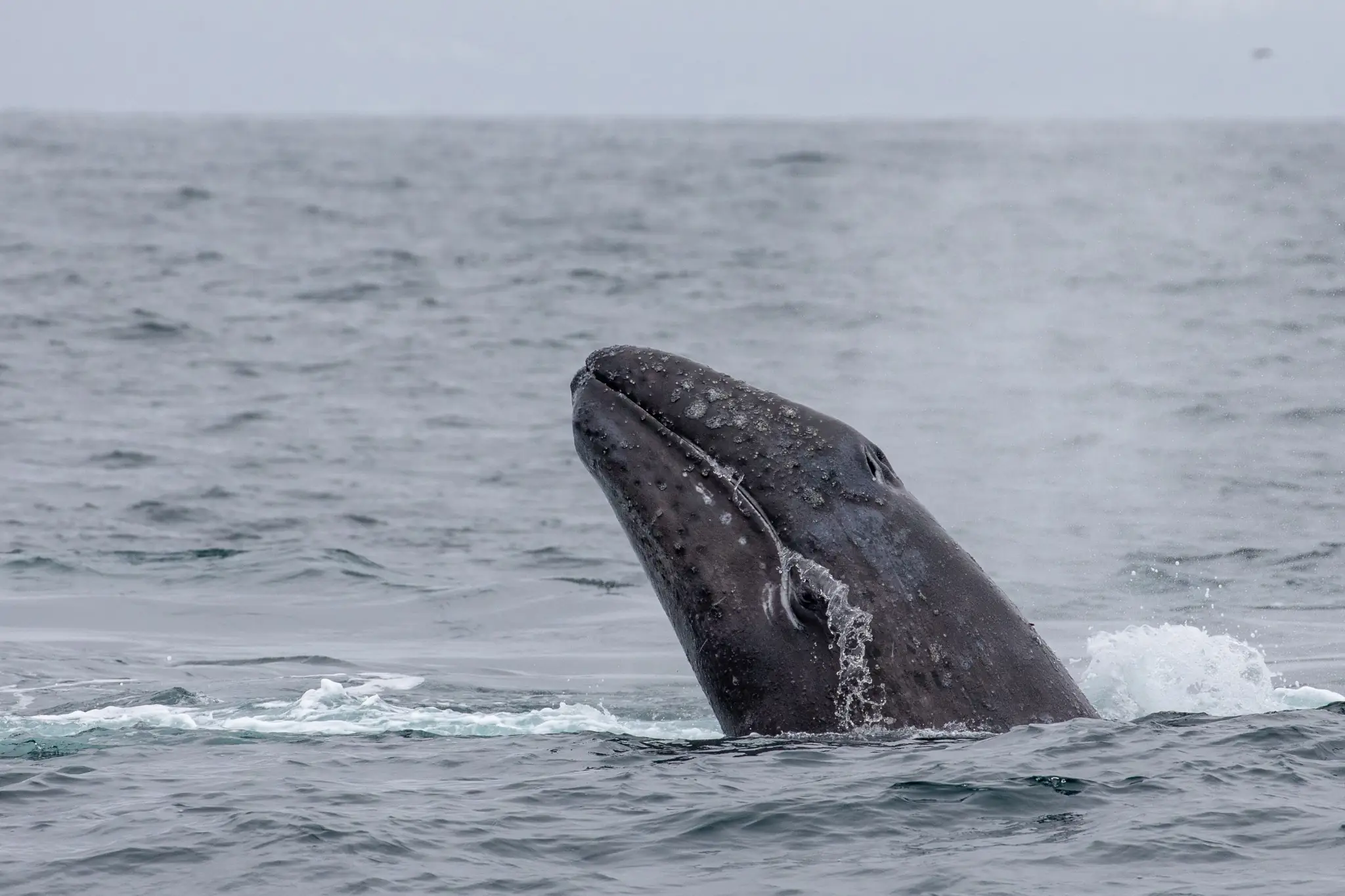
Grey whales reach 15 meters (49 feet) and 45 tonnes displaying mottled grey skin covered in distinctive white patches and extensive barnacle colonies. Unlike other whales they lack dorsal fins featuring prominent humps followed by ridge-like knuckles.
These robust marine mammals earned the "devil fish" nickname from 19th-century whalers due to fierce defense when attacked. Their weathered appearance tells stories of epic migrations and decades of oceanic endurance across Pacific waters. Photo: Tory Kallman.
"Female grey whale 'Varvara' completed a record 22,511-kilometer round-trip migration from Russia to Mexico in 172 days—the longest documented mammal migration ever recorded."
— Dr. Bruce Mate, Oregon State University Marine Mammal Institute
Record Migration System
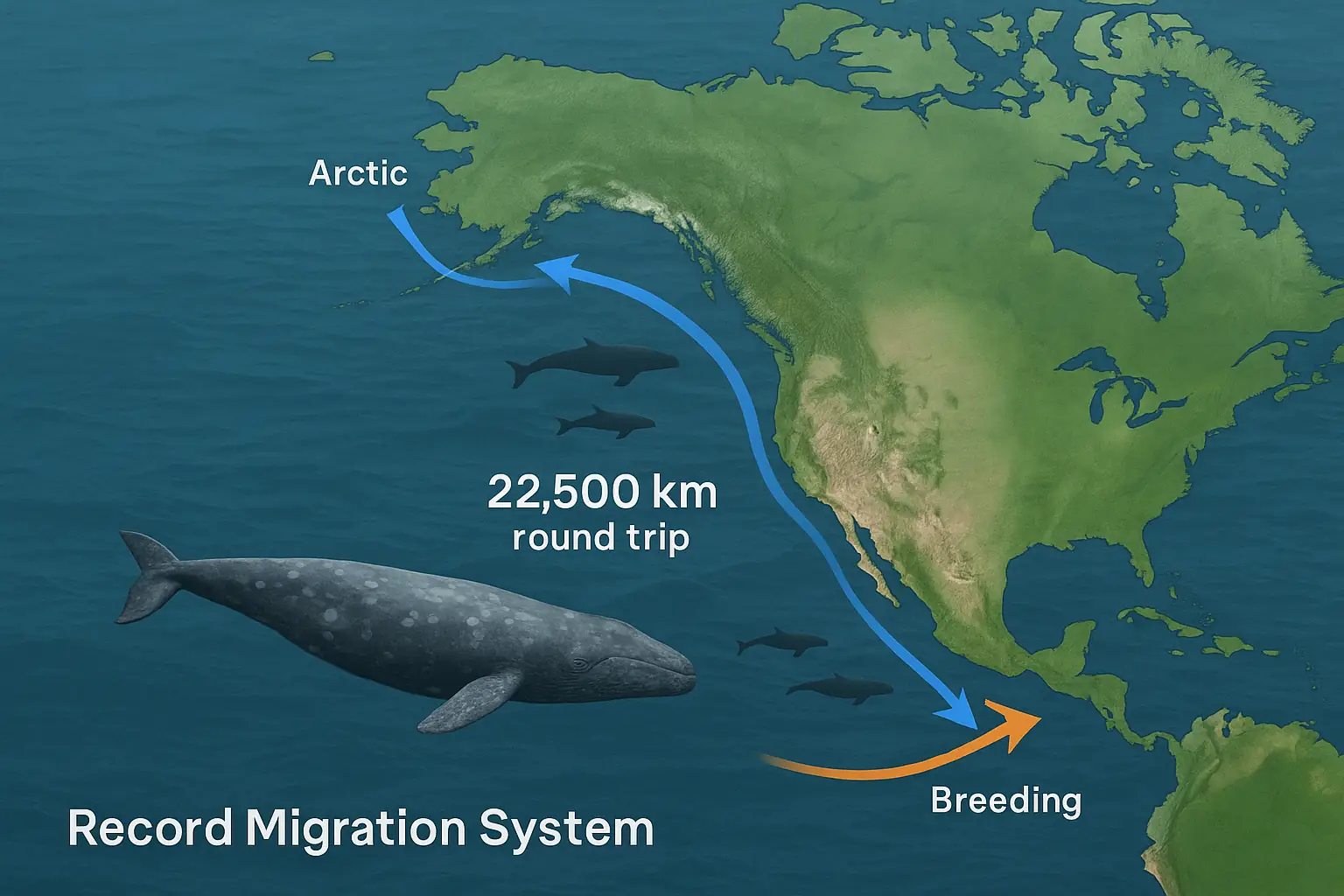
22,500-Kilometer Annual Journeys Between Arctic and Mexico
Grey whales complete annual 22,500-kilometer round trips between Arctic feeding grounds and Mexican breeding lagoons representing the longest migrations of any mammal. Scientists call this transoceanic navigation using magnetic fields and coastal landmarks for guidance.
These remarkable journeys include open-ocean crossings breaking traditional near-shore migration patterns. Individual whales demonstrate site fidelity returning to identical feeding and breeding locations across decades despite massive geographical challenges spanning entire ocean basins. Photo: Illustration.
Benthic Suction Feeding
Seafloor Excavation Creating 3,000 Feeding Pits Per Season
Grey whales roll on their sides while swimming along ocean bottom creating powerful suction through 130-180 coarse baleen plates to filter sediment for amphipods and ghost shrimp. This unique feeding strategy excavates massive seafloor pits.
Research indicates individual whales may create thousands of excavation sites per feeding season, significantly impacting local ghost shrimp populations while leaving distinctive mud trails across benthic landscapes. Studies show ecosystem recovery typically occurs within months, enabling sustainable bottom-feeding cycles.
"Grey whales are the only baleen whales that specialize in benthic feeding, turning over vast areas of seafloor and fundamentally reshaping coastal ecosystems through their unique feeding behavior."
— Dr. James Sumich, Grey Whale Ecology Research
Baleen Filtration Mechanics
Specialized Short Baleen for Sediment Processing
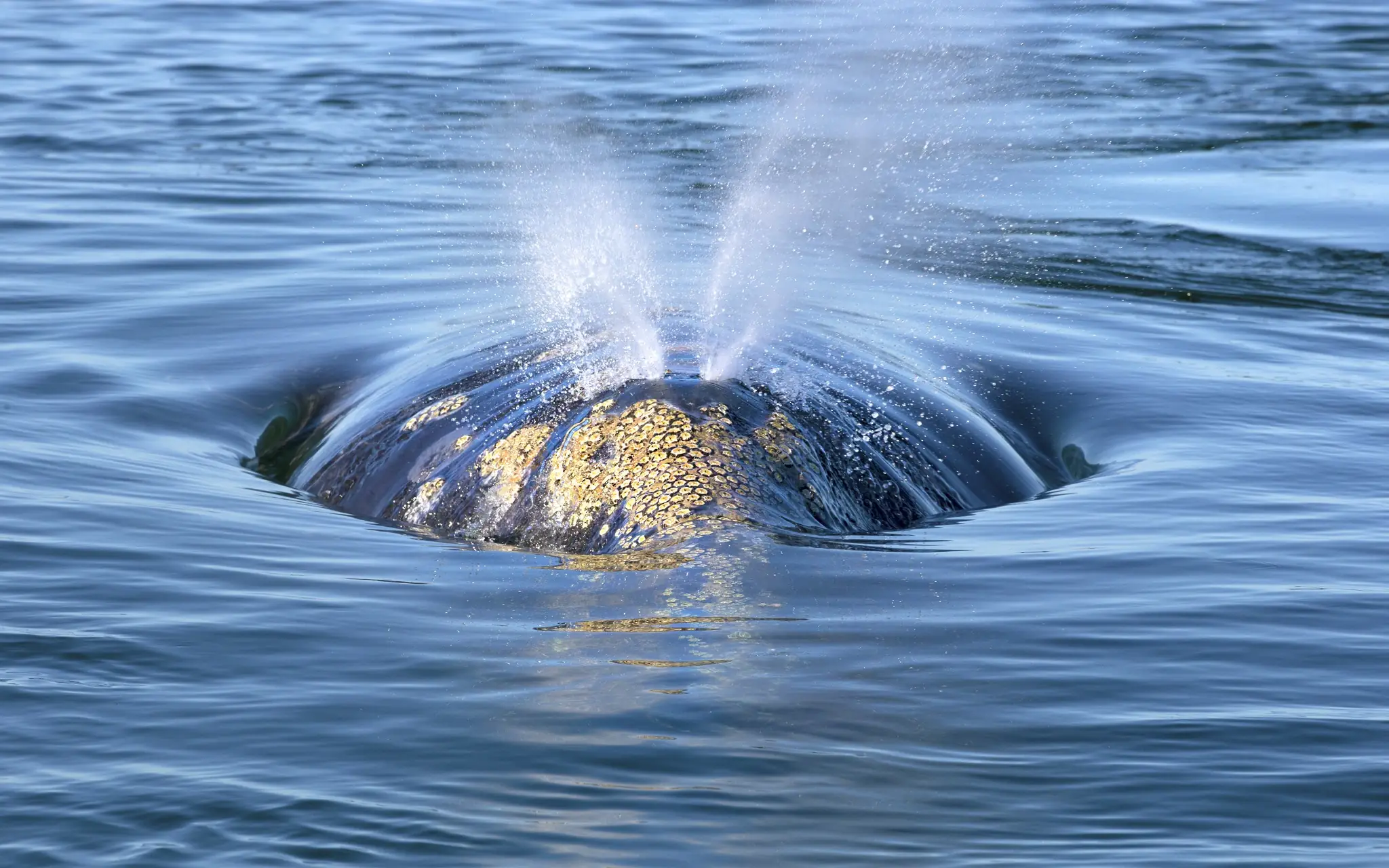
Grey whale baleen consists of short coarse yellow plates with thick bristles uniquely adapted for sediment processing rather than water column feeding. Scientists call this crossflow filtration where enlarged tongues create powerful suction forces within mouth cavities.
This filtering system processes massive volumes of bottom substrate while retaining nutritious invertebrates. Skull adaptations including strengthened jaw bones accommodate extreme suction pressures during benthic feeding operations that would damage other whale species. Photo: Oksana Perkins.
Adaptive Foraging Behavior
Flexible Feeding Strategies for Changing Conditions
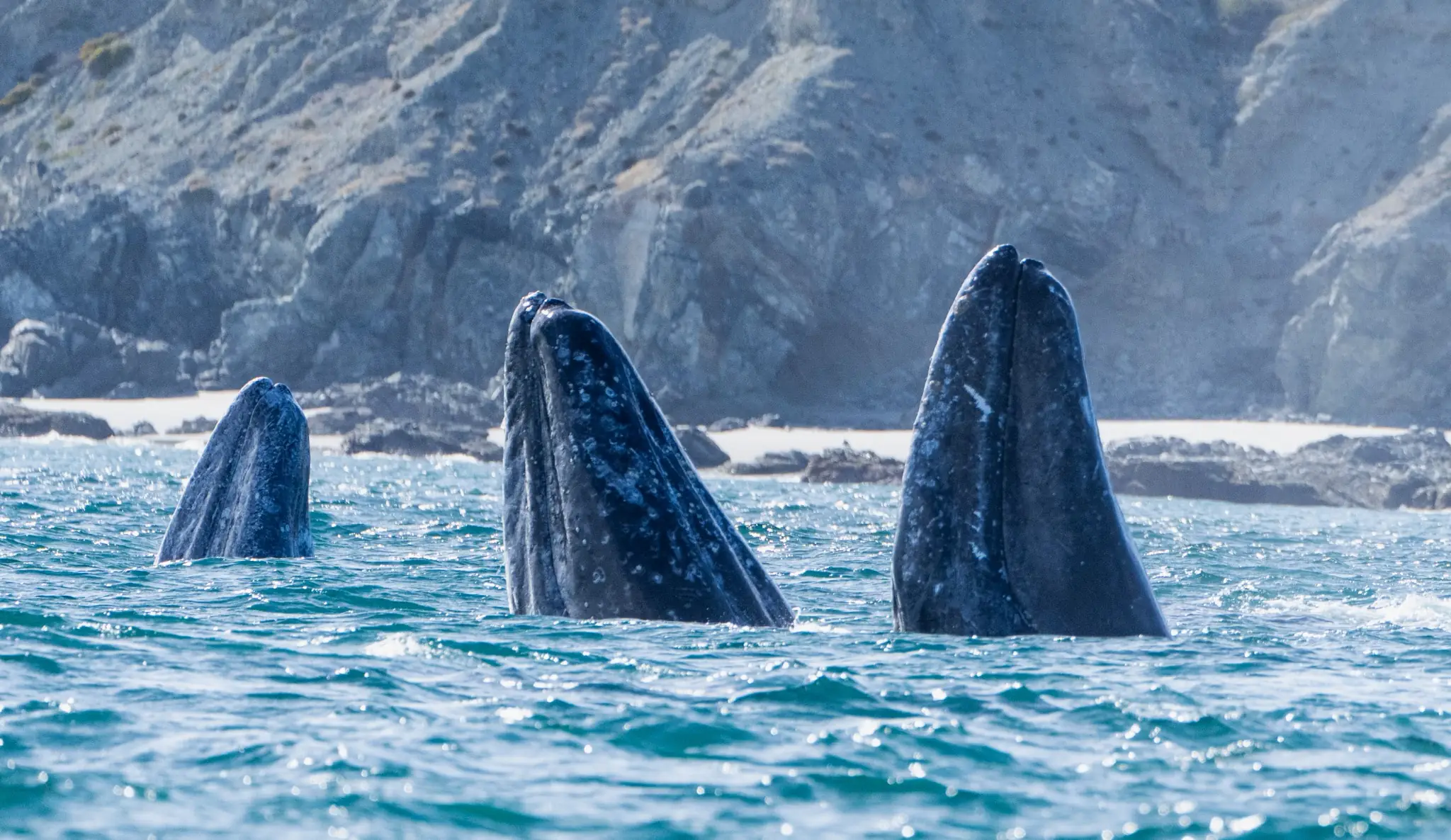
Grey whales demonstrate rapid switching between benthic sediment filtering and surface fish feeding strategies depending on prey availability. Recent research identifies distinct behavioral states including foraging searching and traveling patterns.
Feeding tactics include headstands benthic digs and side-swimming maneuvers utilizing different depth ratios and body positions. This behavioral flexibility enables exploitation of diverse food sources during climate-driven ecosystem changes affecting traditional prey populations. Photo: Charles Bergman
Conservation Recovery Success
From Near Extinction to 14,500 Individuals
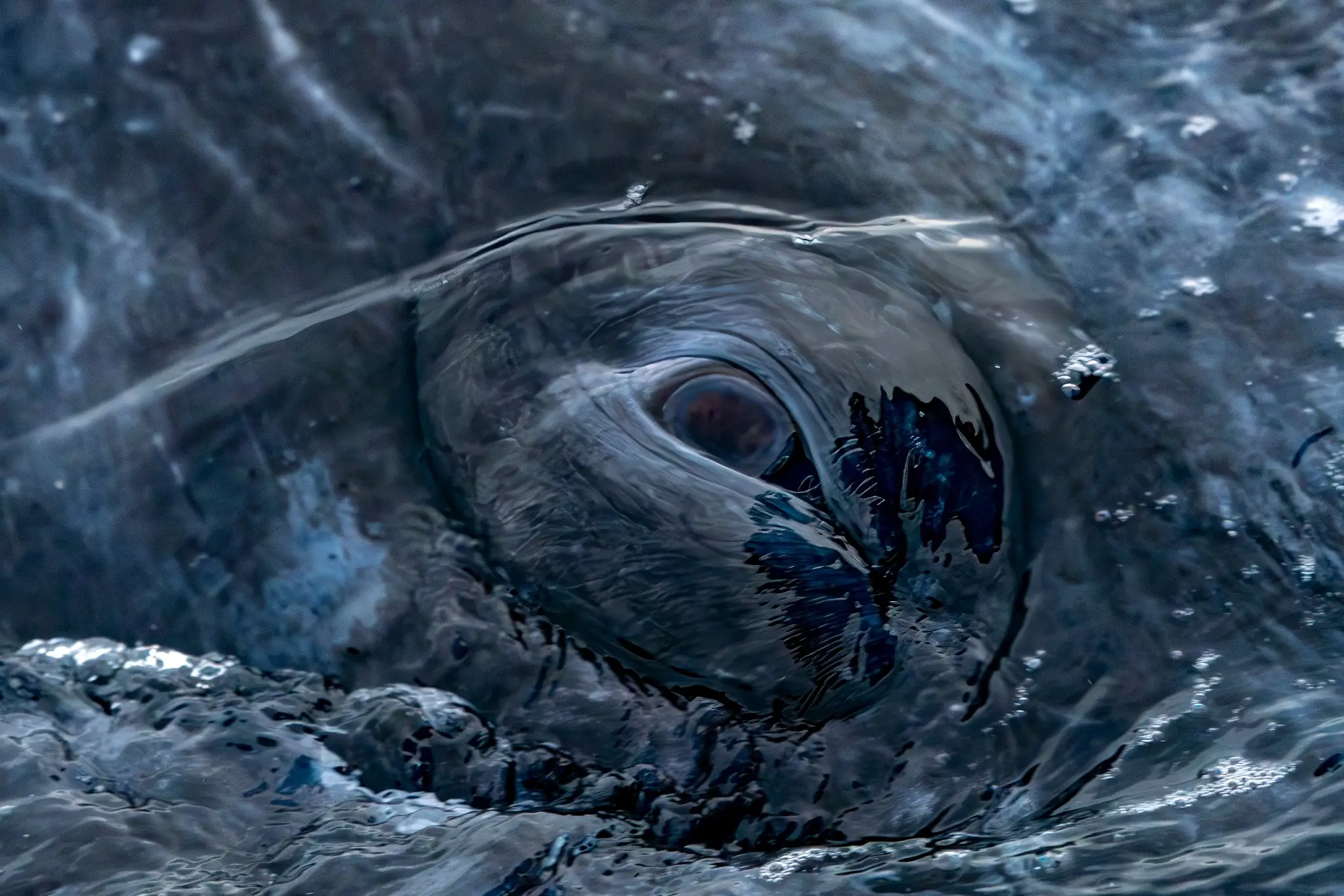
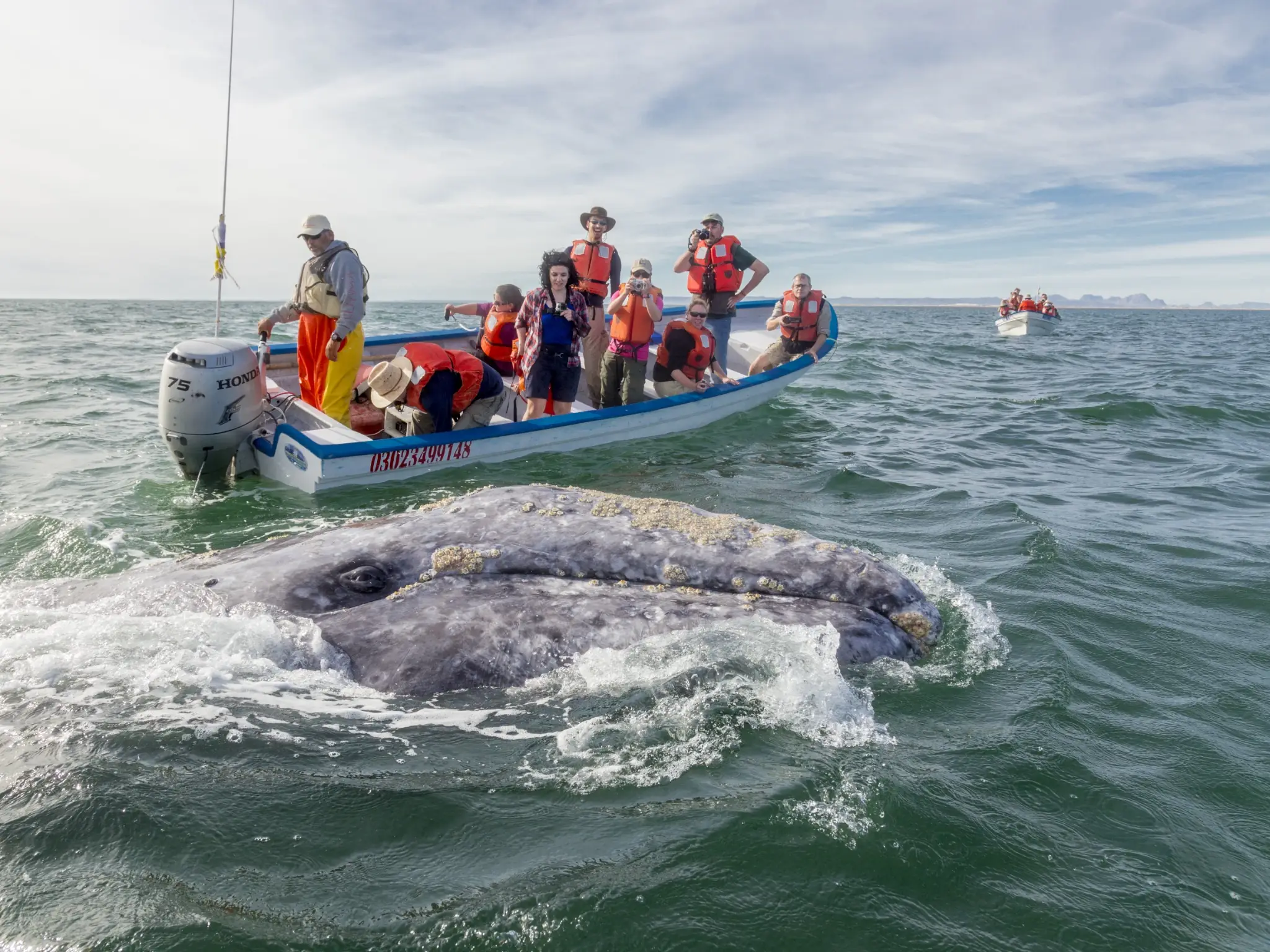
The Eastern North Pacific grey whale population recovered from near extinction to approximately 14,500 individuals resulting in removal from the Endangered Species Act in 1994. International whaling moratorium and Marine Mammal Protection Act enabled this remarkable comeback.
The Western North Pacific population remains critically endangered with only 230 individuals. Recent unusual mortality events highlight ongoing challenges including climate change impacts on Arctic feeding grounds ship strikes and entanglement in fishing gear. Photo: Roger ARPS BPE1 CPAGB
Science & Discovery
Long-term population studies reveal grey whale numbers fluctuate with Arctic ecosystem conditions, demonstrating sensitivity to climate changes that affect prey availability in feeding grounds.
Advances in drone technology and satellite tracking have revolutionized grey whale monitoring, enabling non-invasive population assessments and detailed behavioral observations without disturbing natural patterns.
Research documents grey whales' remarkable behavioral flexibility, switching between benthic feeding and surface strategies to adapt to changing prey distributions and environmental conditions.
In our delightful oceans, grey whales navigate epic 22,500-kilometer migrations using sophisticated navigation abilities. Their unique benthic feeding creates distinctive seafloor patterns that shape coastal ecosystems. Conservation measures including the Marine Mammal Protection Act have enabled remarkable population recovery, though climate change presents ongoing challenges for these oceanic voyagers.