Green Sea Turtle
Ocean's Ancient Navigator
Chelonia mydas
Meet ocean's ancient navigators reaching 1.5 meters (5 feet) and 190 kilograms with heart-shaped shells traversing 2,400-kilometer migrations using dual magnetic senses. Chemical magnetoreception provides compass orientation while alternative mechanisms create learned magnetic maps. These herbivorous ecosystem engineers maintain seagrass meadows—vital blue carbon sinks that sequester vast amounts of oceanic carbon—through specialized grazing across 110 million years of evolution.
Meet the Ancient NavigatorWhat Makes Them Special
Ancient Mariners
1.5-meter heart-shaped shells weighing 190 kg surviving 110 million years since dinosaur era
Dual Magnetic Senses
Chemical magnetoreception compass plus learned magnetic maps enabling precise birth beach navigation decades later
Trans-Ocean Migrations
2,400-kilometer journeys between foraging and nesting areas using oceanic currents as underwater highways
Ecosystem Engineers
Consume 2 kg seagrass daily maintaining marine meadow health supporting biodiversity through grazing
Temperature-Sex Determination
Sand temperatures above 29°C produce females making climate change critical reproductive threat
Conservation Recovery
IUCN status is Endangered globally, though some populations are recovering due to decades of dedicated conservation efforts.
First Encounter
1.5-Meter Ancient Mariners with Heart-Shaped Shells
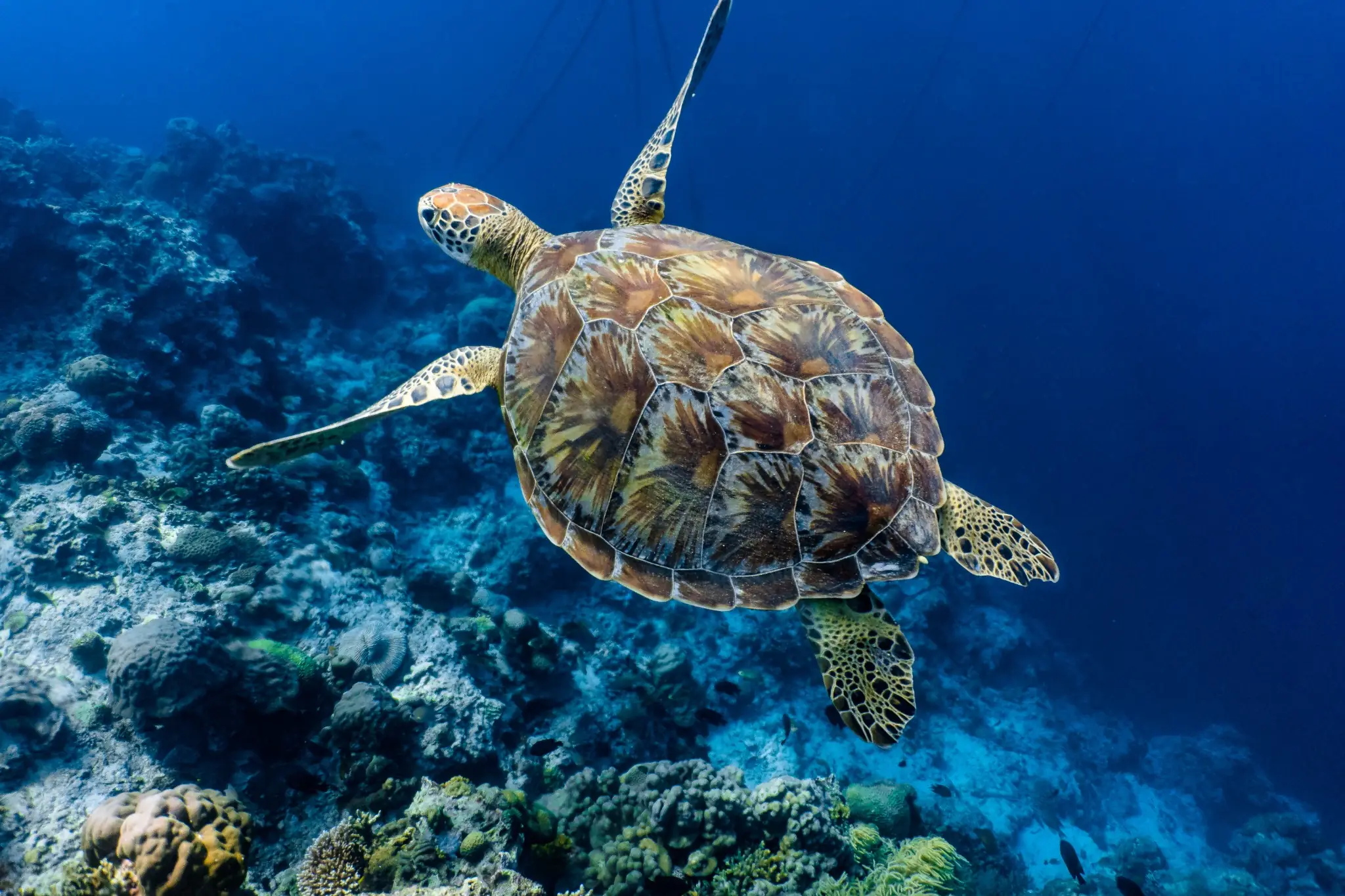
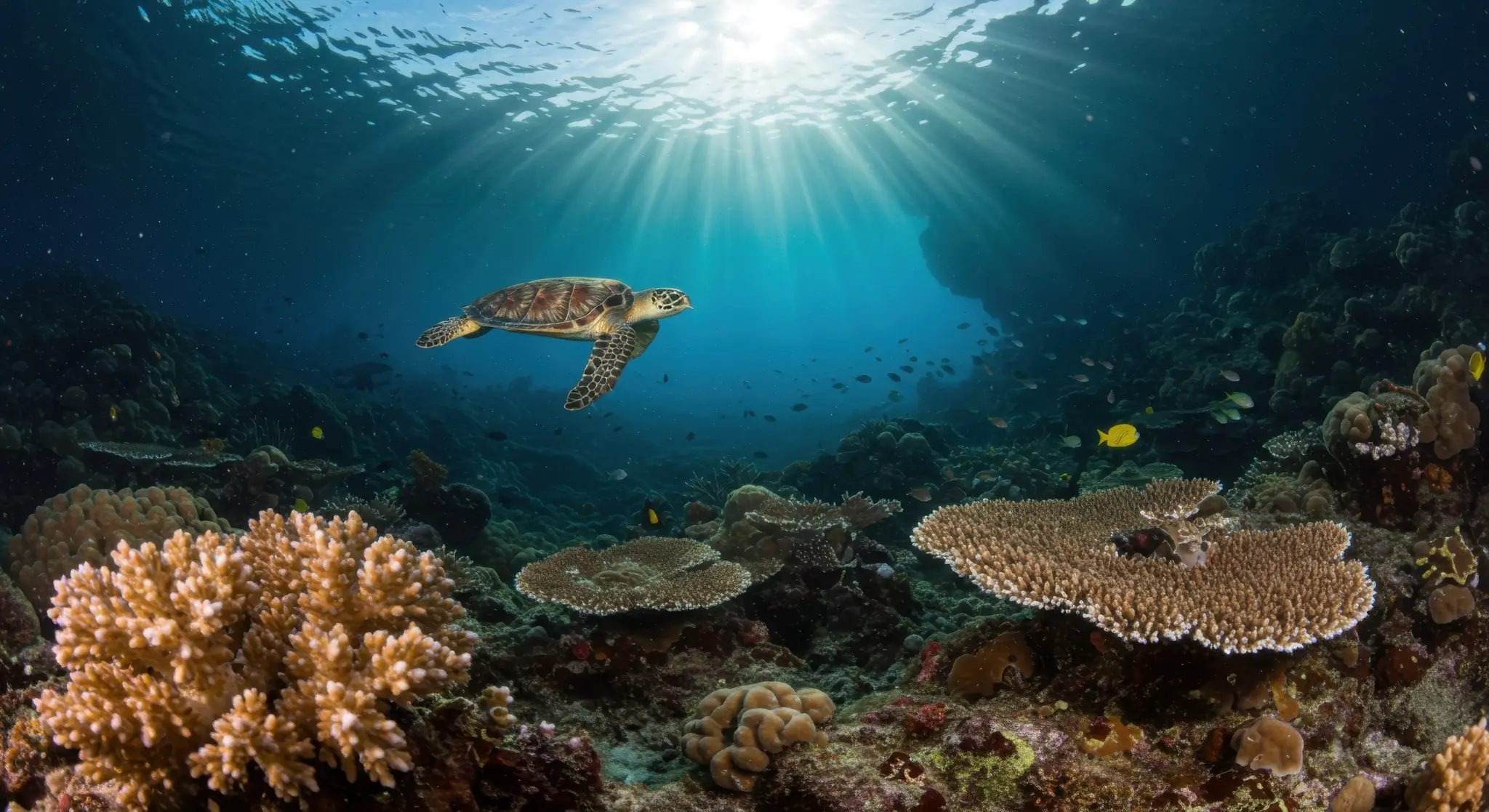
Green sea turtles reach 1.5 meters (5 feet) and 190 kilograms displaying heart-shaped carapaces with intricate scute patterns. Powerful fore-flippers enable graceful underwater flight through coral reefs and open ocean.
These ancient mariners survived 110 million years of evolution outlasting dinosaurs through adaptive flexibility. Few species demonstrate such successful adaptation across geological time while maintaining essential ecological functions. Photo: SaltedLife.
"Green sea turtles navigate using magnetic signatures imprinted during hatching—decades later, females return to within 50 kilometers of their birth beaches using Earth's magnetic field as a geological GPS system."
— Dr. Kenneth Lohmann, Magnetic Navigation Research
Magnetic Field Navigation
Chemical Compass Plus Learned Magnetic Maps
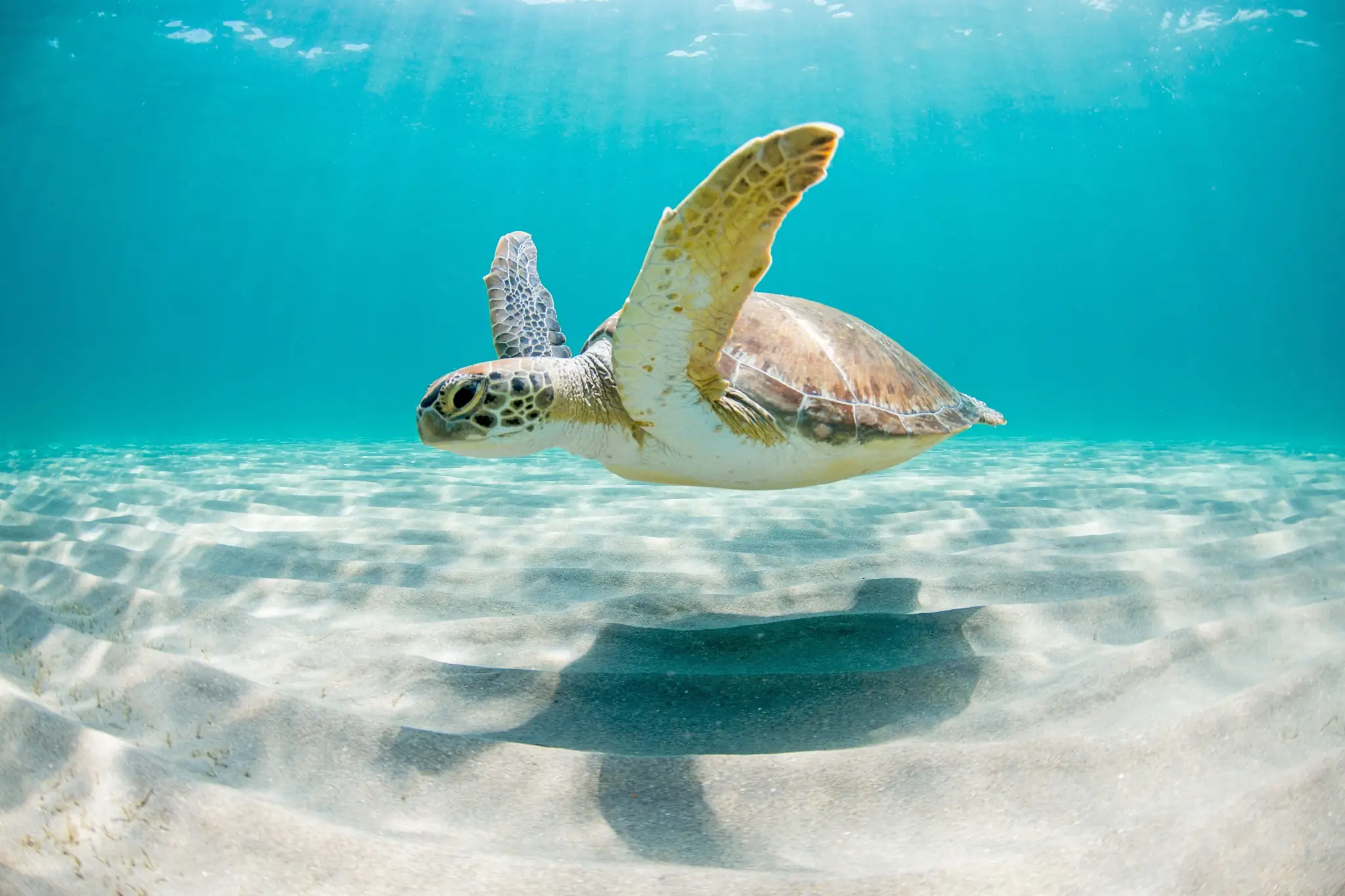
Magnetic navigation involves two distinct mechanisms with chemical magnetoreception providing compass orientation while alternative systems create learned maps. Hatchlings imprint unique signatures from birth beaches enabling precise return navigation.
Seminal research, including studies published in Nature, has revealed dual magnetoreception separating compass from map sense through radiofrequency disruption experiments. Turtles learn magnetic coordinates of geographic areas, remembering them months later across 2,400-kilometer distances. Photo: Andre-Johnson.
Trans-Oceanic Migrations
2,400-Kilometer Journeys Through Oceanic Highways
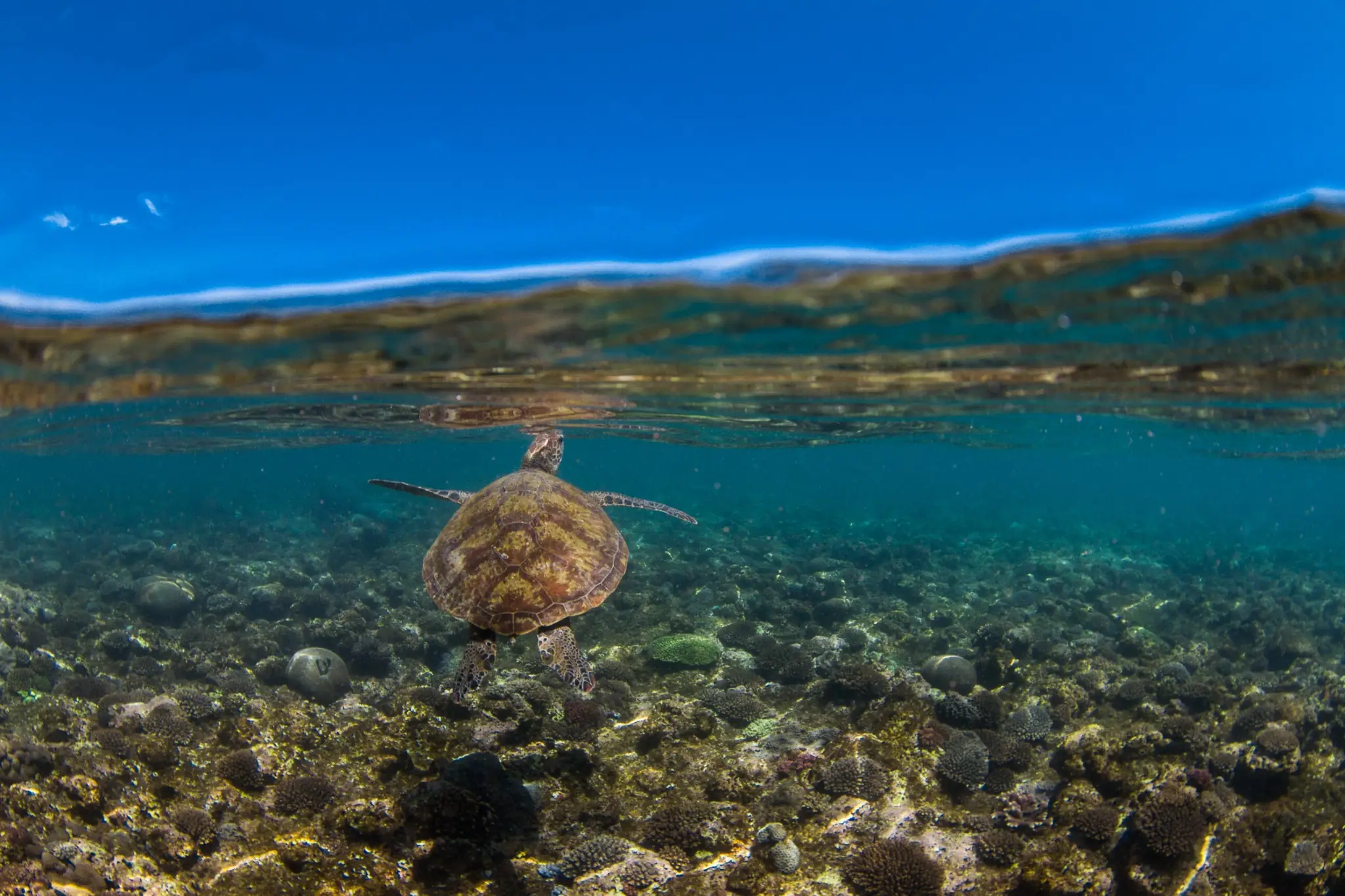
Trans-oceanic migrations span 2,400 kilometers between foraging and nesting areas using current systems as underwater highways. Individual turtles demonstrate site fidelity returning to specific feeding grounds across decades.
Satellite tracking reveals complex multi-year migration cycles with juvenile dispersal phases lasting 20-30 years before adult reproductive migrations. Scientists call this ontogenetic habitat shifts maximizing survival and reproductive success. Photo: JacobLoyacano.
"The long-distance migrations of green turtles connect ecosystems across ocean basins. Their movement from nutrient-poor nesting beaches to productive seagrass beds creates vital ecological links that sustain both the turtles and the marine habitats they depend on."
— Dr. Robert Marsh, University of Southampton
Seagrass Grazing Maintaining Marine Meadow Health
Grazing Maintaining Blue Carbon Sequestration
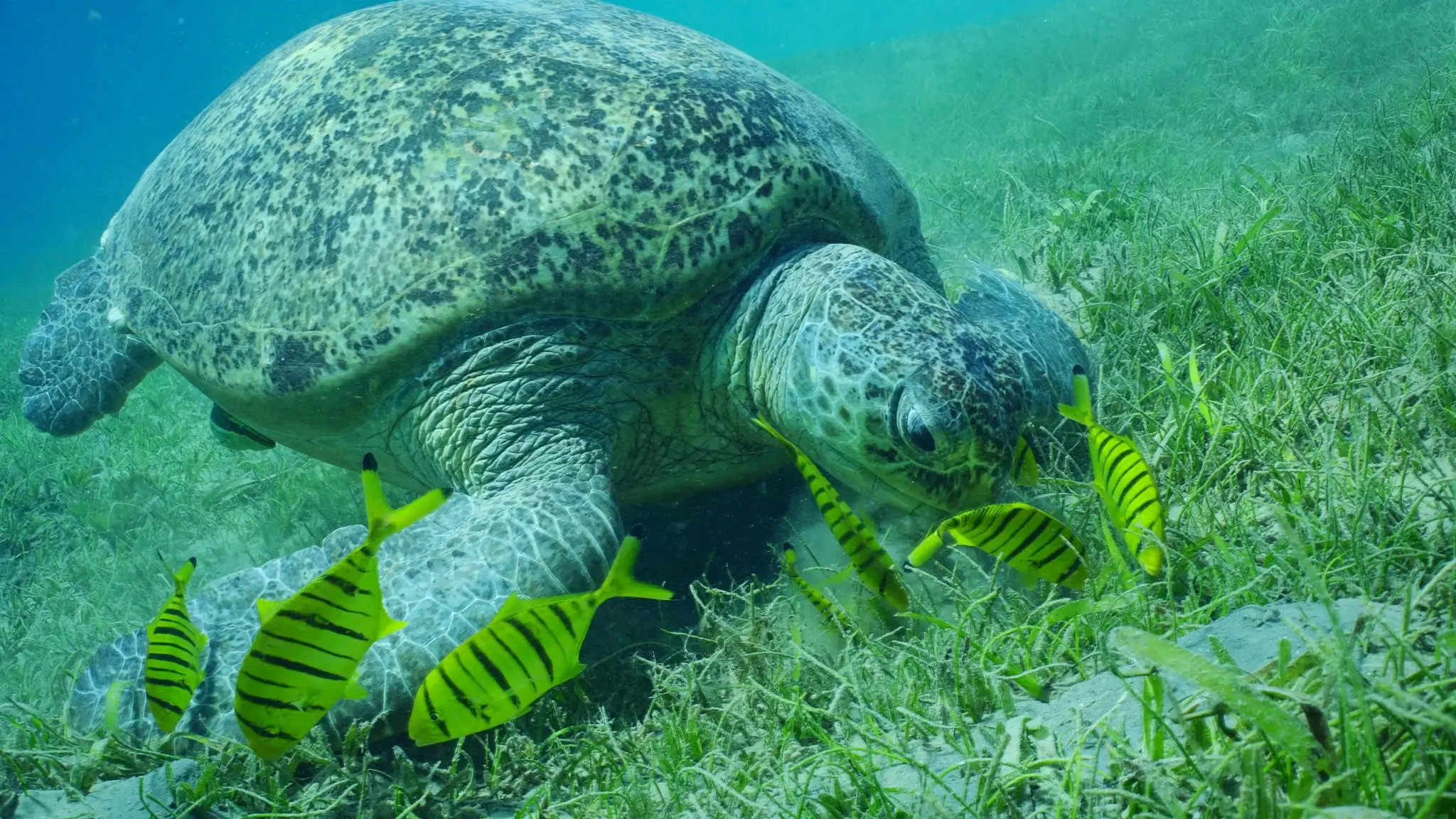
Herbivorous feeding involves systematic seagrass grazing that maintains meadow health. Their "cropping" behavior prevents overgrowth and stimulates fresh, productive growth while creating nutrient cycling through fecal fertilization.
Adult turtles can consume around 2 kilograms of seagrass daily. Research has demonstrated that these grazed meadows maintain positive carbon uptake despite lower production. These seagrass beds are vital blue carbon sinks, sequestering a substantial portion of the ocean's carbon annually while providing essential nursery habitat for countless fish species. Photo: Andriy Nekrasov
Temperature-Dependent Sex Determination
Climate-Sensitive Reproduction Through Sand Temperatures
Temperature-dependent sex determination occurs during incubation with sand temperatures above 29°C producing females while cooler temperatures produce males. Scientists call this environmental sex determination through thermal conditions influencing gender ratios.
Climate change warming beach temperatures by 1-2°C threatens male production creating demographic imbalances. Research reveals shading nest sites and selecting cooler beaches enable adaptive management maintaining balanced sex ratios. Photo: Space_Cat.
Global Conservation Recovery
From Endangered to Least Concern Status
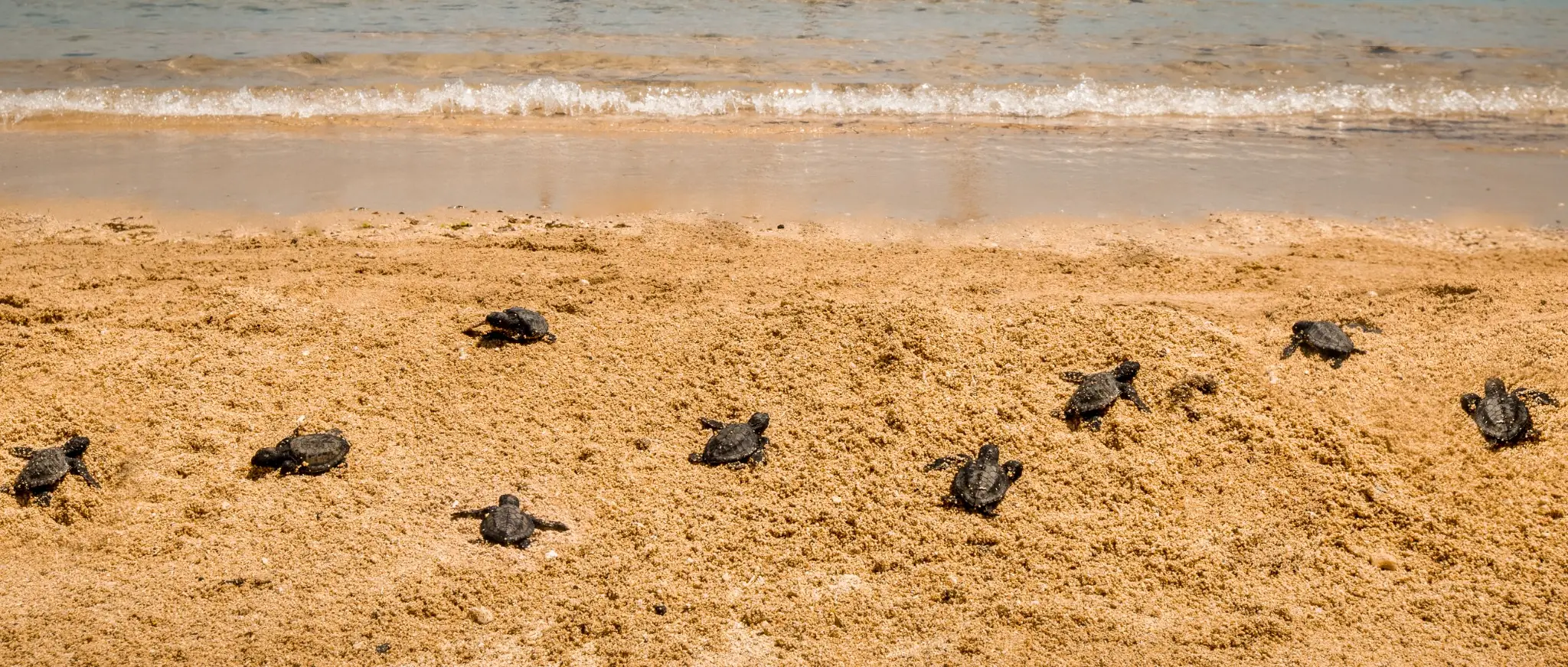
The IUCN lists green turtles as Endangered globally. However, significant regional recoveries, such as a 28% population increase in some areas since the 1970s, demonstrate the success of global conservation focused on protecting nesting females and eggs through community-based initiatives.
Hawaiian populations recovered from 200 nesting females to 3,000+ annually through predator control and habitat restoration. Pacific-wide collaboration demonstrates coordinated multinational conservation creates measurable species recovery across ocean basins. Photo: jafarsodik.
Science & Discovery
Research into magnetoreception has revealed dual mechanisms, with a chemical compass separate from learned magnetic maps, demonstrating turtles remember geographic magnetic signatures months later—inspiring biomimetic navigation systems.
Advanced satellite tracking, such as work led by institutions like King Abdullah University, has successfully identified key seagrass foraging sites, validating the importance of these areas for blue carbon sequestration and climate mitigation.
The IUCN global assessment maintains the species' Endangered status, while acknowledging significant regional recoveries that demonstrate decades-long collaborative conservation can create measurable population restoration.
In our delightful oceans, green sea turtles maintain seagrass meadows sequestering a substantial portion of ocean carbon annually through ecosystem engineering. Dual magnetoreception mechanisms enable precise 2,400-kilometer migrations using chemical compass plus learned magnetic maps. While the IUCN maintains their Endangered status globally, significant regional recoveries demonstrate that decades-long international conservation creates measurable population restoration.