Walking Shark
Ocean's Land-Walking Pioneer
Hemiscyllium ocellatum
Meet ocean pioneers whose walking fins enable land navigation—compact 1-meter sharks with modified pectoral and pelvic fins allowing terrestrial locomotion across exposed coral reefs during low tides. They survive 60 minutes without water through extreme hypoxia tolerance reducing oxygen consumption by 29%. These 9-million-year-old lineages demonstrate sharks' evolutionary versatility beyond traditional aquatic life.
Meet the Land-Walking PioneerWhat Makes Them Special
Walking Fins
Modified fins enable walking across exposed reefs with 360-degree rotation navigating tide pools inaccessible to swimming sharks
Air Survival
Survive 60 minutes without water reducing oxygen consumption by 29% through controlled hypoxia maintaining neural function
Extreme Tolerance
Withstand 35°C temperatures and near-zero oxygen levels that kill other reef fish within minutes
Compact Size
Slender 1-meter bodies navigate tide pools just 5 centimeters deep during low tides
Extended Care
Produce 2-4 eggs every 14 days with 120-day incubation achieving 90% hatching success
Recent Evolution
Nine species evolved 9 million years ago with four discovered since 2013 making them Earth's newest shark lineage
First Encounter
Walking Fins Transform Ocean Floor Navigation
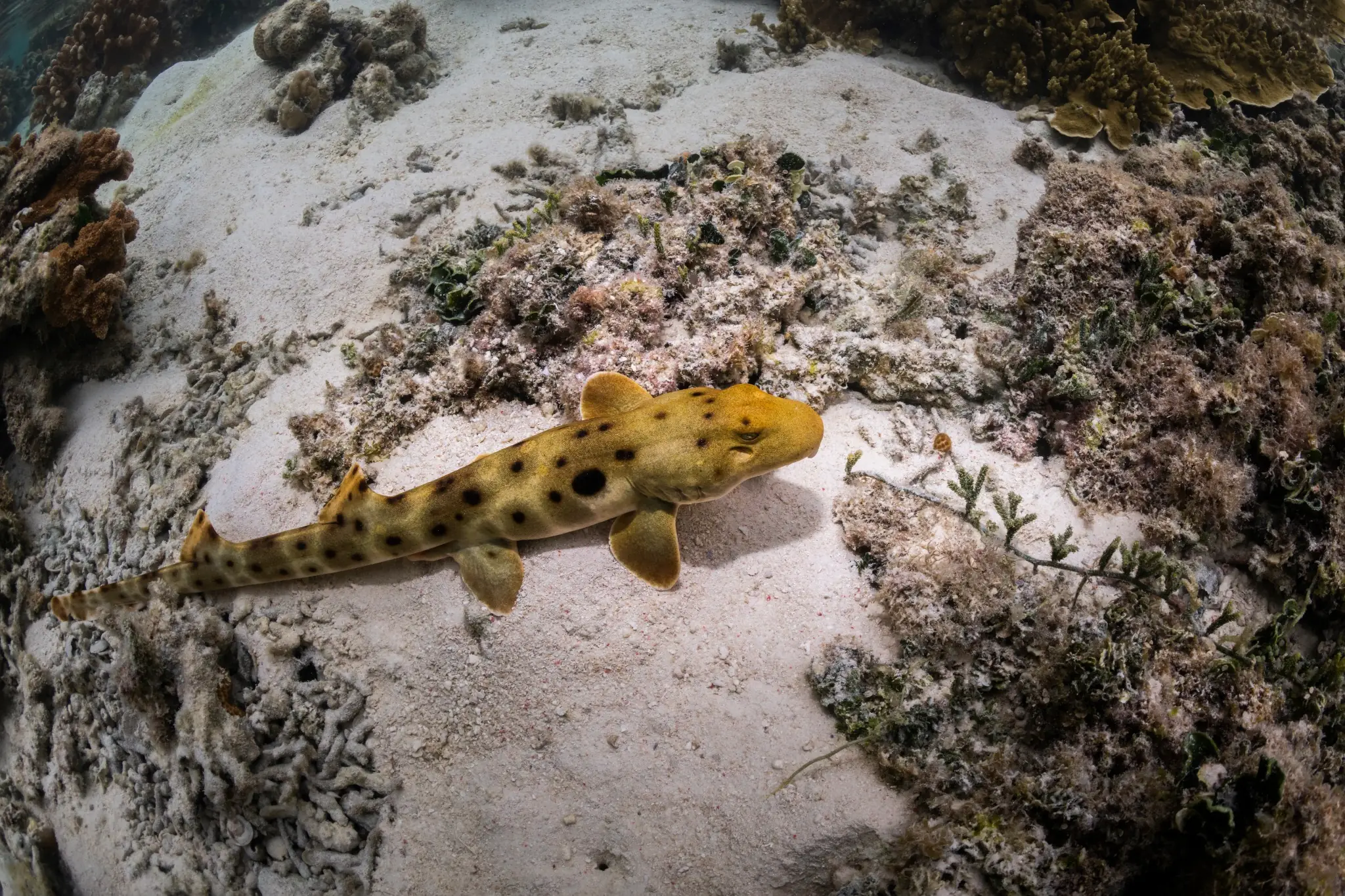
Epaulette sharks possess unique locomotion—paired pectoral and pelvic fins function as limbs for terrestrial walking. These predators use synchronized fin movements to walk across reef flats navigating territories inaccessible to swimming sharks.
During low tides, muscular fins support full body weight maintaining 0.5 meters per second. Scientists discovered specialized shoulder modifications enabling 360-degree fin rotation. This walking ability allows hunting in tide pools just 5 centimeters deep. Photo: RugliG
"Epaulette sharks can survive complete oxygen depletion for 3 hours at 25°C—equivalent to a human holding their breath for 12 hours. Their brains literally restructure metabolism pathways to prevent cell death."
— Dr. Gillian Renshaw, Hypoxia Adaptation Research
Impossible Survival
60-Minute Air Exposure Without Damage
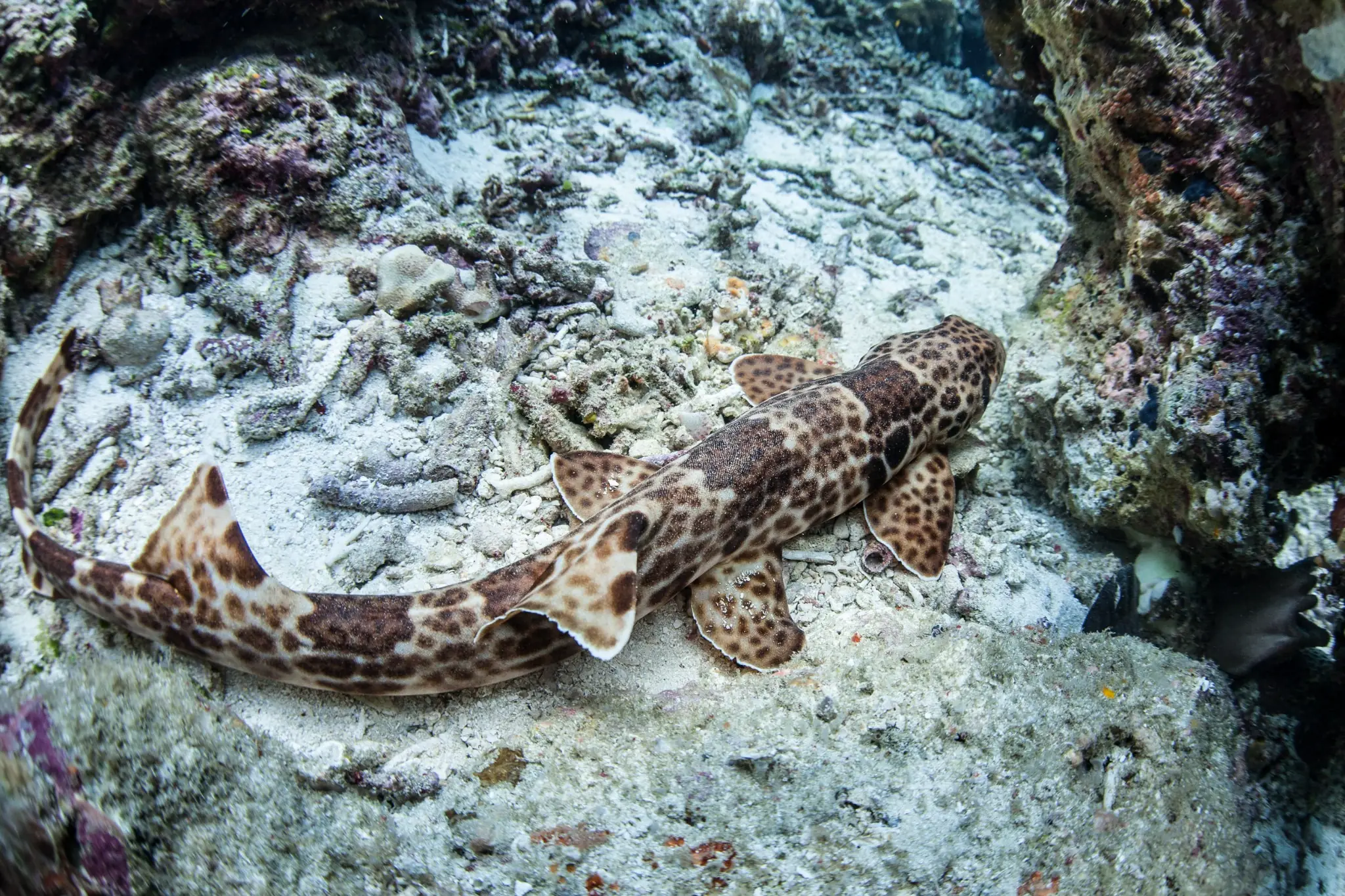
Walking sharks achieve extended survival without water through revolutionary adaptations. Their bodies enter controlled hypoxia reducing oxygen consumption by 29% while maintaining neural function. Blood flow redirects to heart and brain shutting down non-essential systems.
James Cook University studies revealed survival at 35°C and near-zero oxygen levels. During these conditions metabolism drops to 30% of normal while specialized brain chemistry prevents neural damage. These adaptations allow hunting isolated tide pools where prey cannot escape. Photo: Ethan Daniels.
Coral Reef Specialist
Shallow Water Hunting Perfection
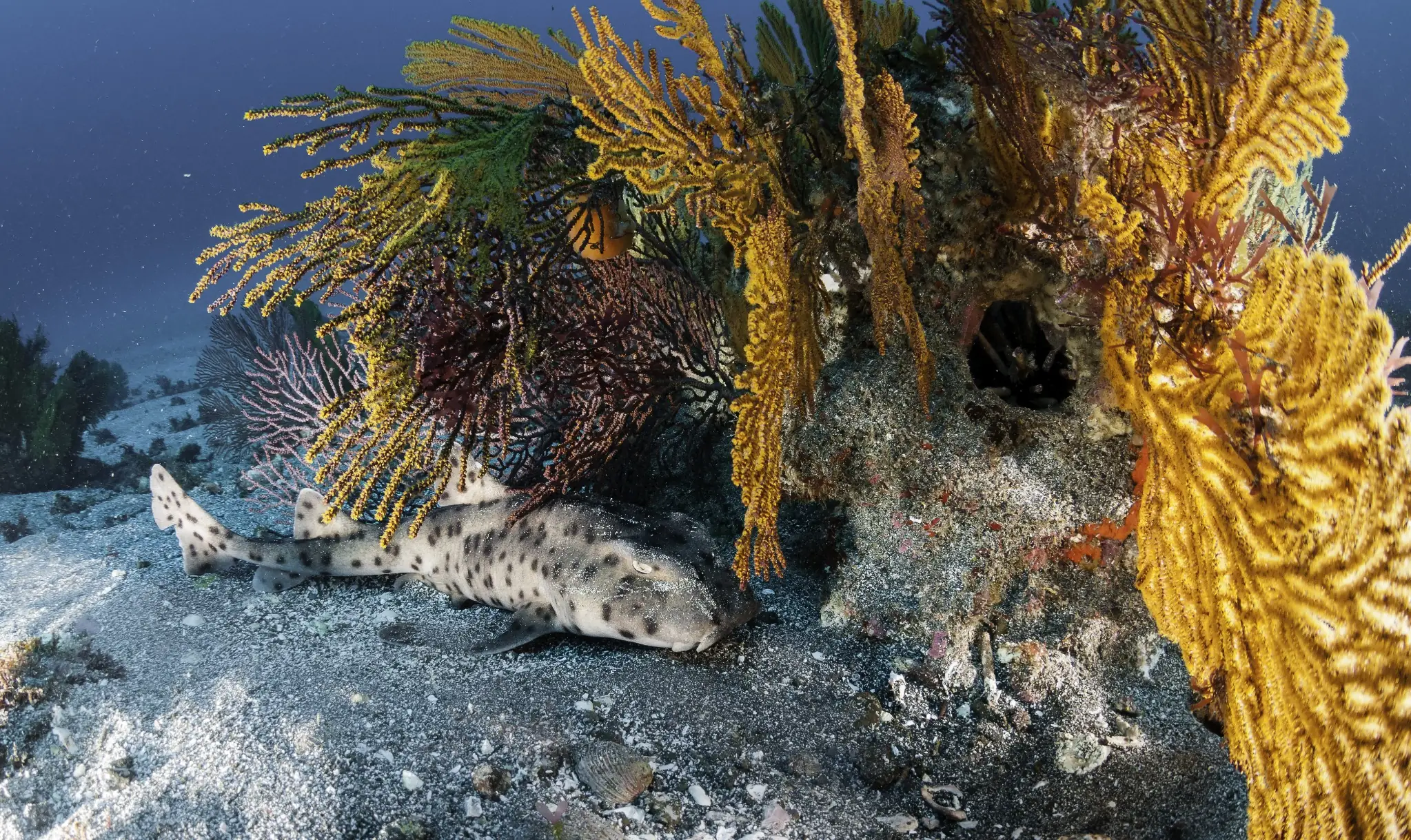
These compact predators dominate reef flats measuring less than 50 centimeters deep. Their slender bodies reaching 107 centimeters maximum navigate crevices too narrow for larger predators. Distinctive black eyespots behind heads confuse predators about which end poses danger.
Nocturnal hunting maximizes success in specialized habitat. They detect bioelectric fields from hidden prey using ampullae of Lorenzini sensitive to 5 billionths of a volt. Diet consists of worms crustaceans and small fish trapped in tide pools. Photo: Wildestanimal.
"Walking sharks survived in laboratory conditions simulating year 2100 ocean temperatures and acidity levels that killed 95% of other reef fish. They're literally evolution's answer to climate change."
— Dr. Christine Dudgeon, Evolutionary Biology
Reproduction Innovation
Extended Parental Investment Strategy
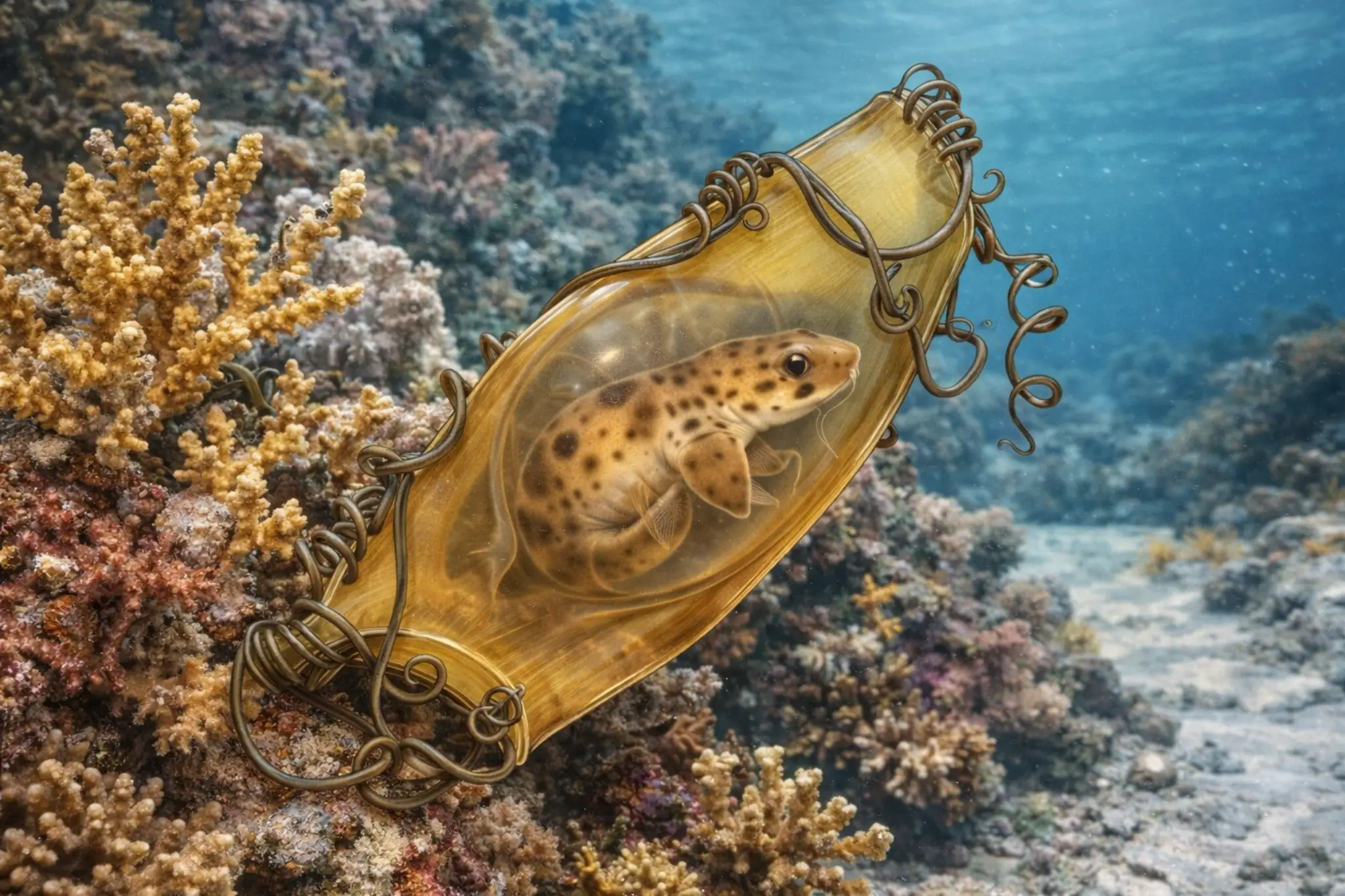
Walking sharks exhibit unique reproductive strategies—females produce 2-4 eggs every 14 days during breeding season. Each 10-centimeter egg case attaches to coral using specialized tendrils. The 120-day incubation represents one of the longest among small shark species.
Newborn sharks emerge fully independent at 15 centimeters already capable of walking. Research documented 90% hatching success in protected reefs. Males mature at 62 centimeters while females mature at 64 centimeters. Their 25-year lifespan allows decades of reproduction. Photo: Illustration.
Climate Adaptation
Resilience Through Extreme Tolerance
Walking sharks demonstrate remarkable resilience to climate change devastating other reef species. Hypoxia tolerance allows survival in warming waters with declining oxygen. Population studies show stable numbers despite 2°C temperature increases.
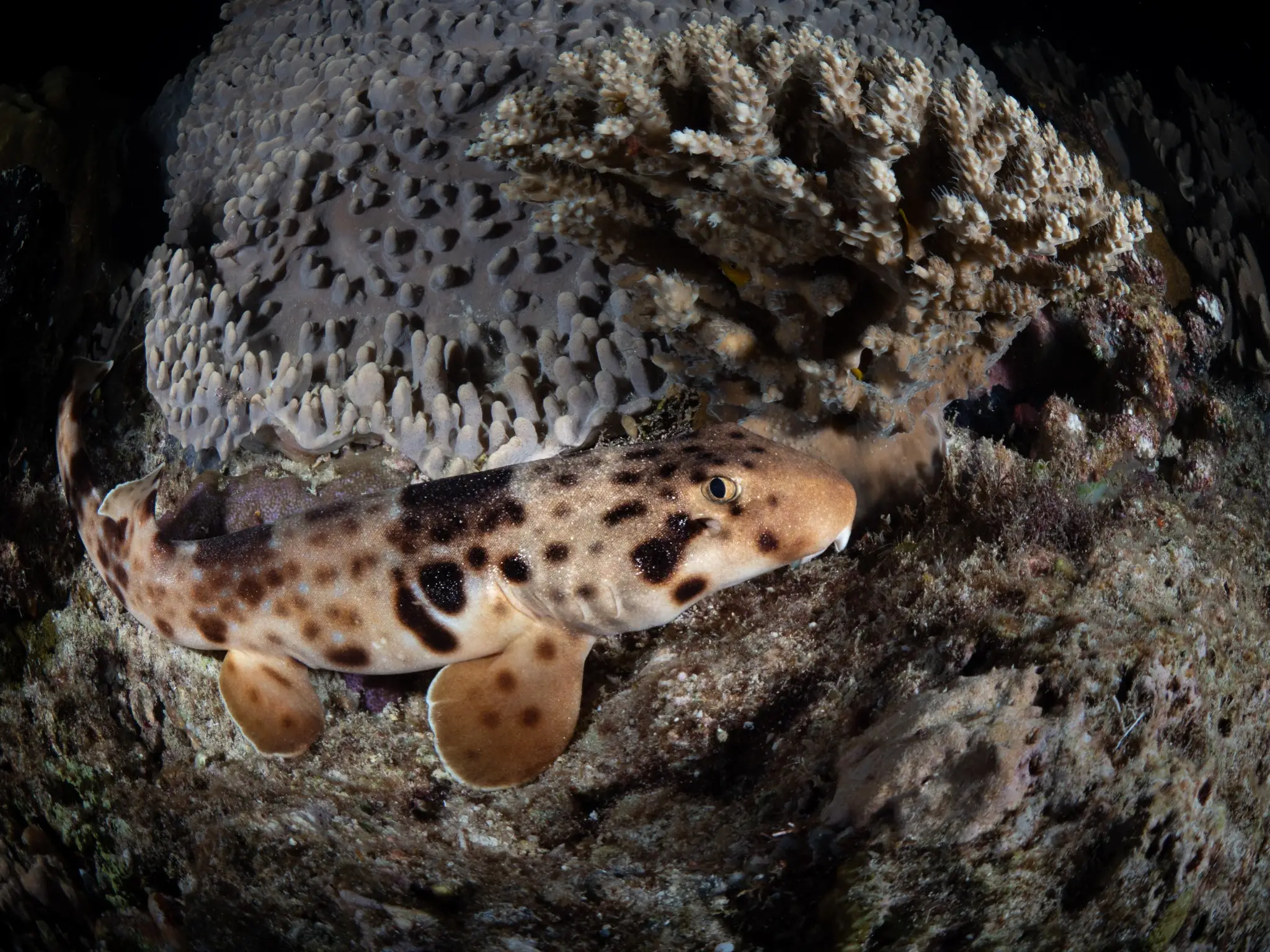
The epaulette shark H. ocellatum represents nine Hemiscyllium species with four discovered since 2013. DNA analysis shows 9-million-year evolution. Scientists study their hypoxia adaptations for human stroke recovery treatments. Photo: kkshxt.
Conservation Success
Protection Through Isolation and Adaptation
Walking sharks maintain stable populations through unique ecological niches and remarkable adaptability. Listed as Least Concern by IUCN they face minimal fishing pressure due to small size and shallow habitat. Restricted ranges inhabiting remote reef systems provide natural protection.
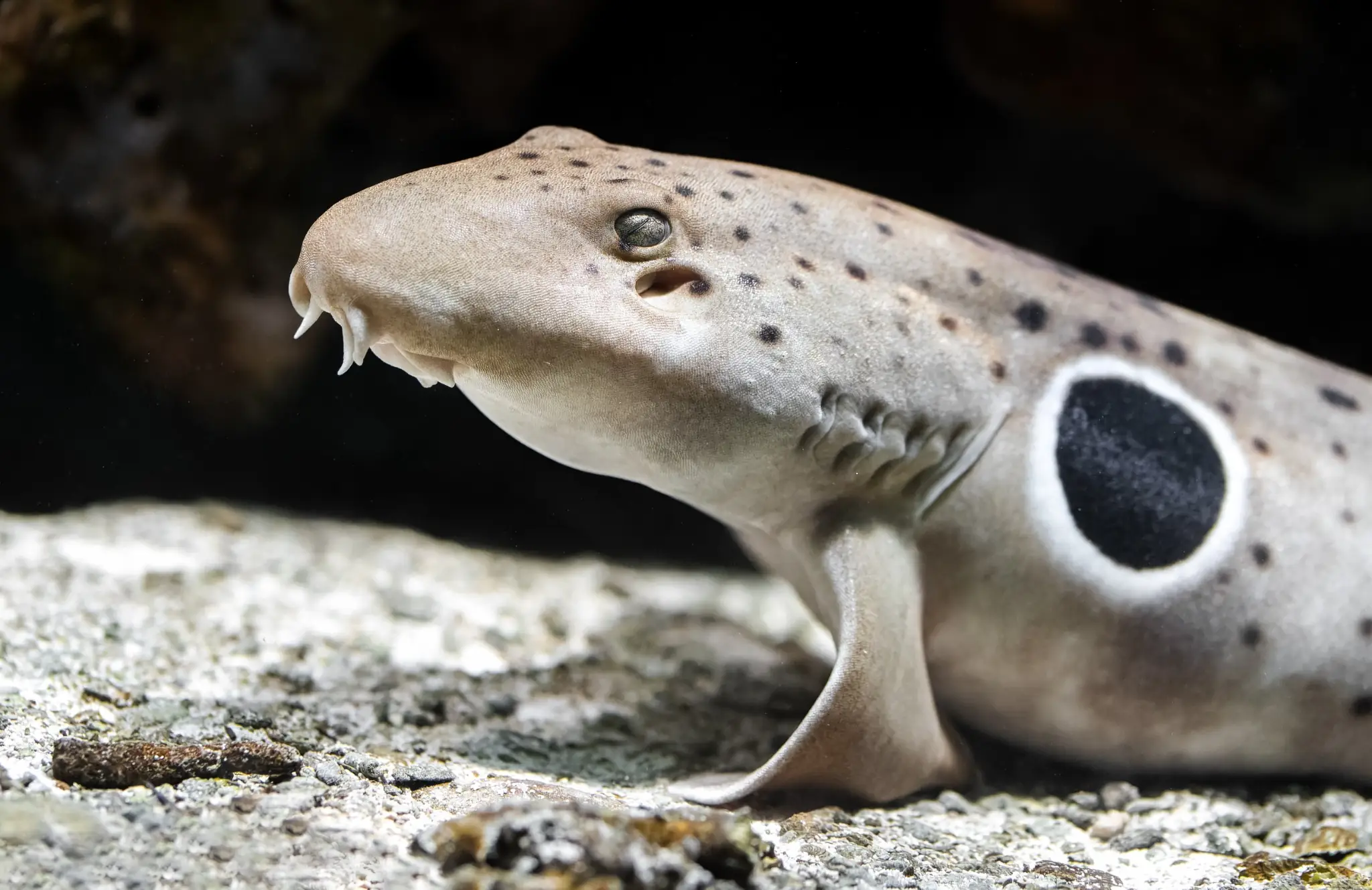
Marine protected areas across Northern Australia and Papua New Guinea safeguard critical walking shark habitat. Aquarium breeding programs successfully reproduce multiple species with second-generation captive breeding achieved in 2019. Their popularity raises awareness about shark diversity beyond apex predator narratives. Photo: Jindrich pavelka.
Science & Discovery
Hypoxia tolerance mechanisms inspire stroke recovery and organ preservation research. Brain metabolism restructuring prevents neural damage during oxygen deprivation providing blueprints for treating injuries where blood flow interruption causes tissue death.
Recent discoveries identified nine walking shark species with four found since 2013. DNA analysis reveals 9-million-year-old lineage making them Earth's newest sharks challenging traditional assumptions about evolutionary timescales.
Laboratory experiments simulating year 2100 ocean conditions document walking shark survival rates exceeding 95% while other reef fish populations collapse. Climate resilience provides insights for predicting future ecosystem compositions under warming.
In our delightful oceans, walking sharks navigate exposed reefs using modified fins while surviving 60 minutes without water through 29% oxygen reduction. Nine species evolved just 9 million years ago representing recent shark innovation. Protecting them preserves evolutionary pioneers and advances hypoxia research.