Sea Otter
Ocean's Tool-Using Engineer
Enhydra lutris
Meet the ocean's tool-using engineer whose 1 million hair follicles per square inch, sophisticated rock anvil techniques, keystone species ecosystem management, and complex cultural transmission demonstrate that intelligence creates marine survival success.
Meet the Tool-Using EngineerWhat Makes Them Special
Densest Fur
Possess 1 million hair follicles per square inch creating densest mammal fur coat
Tool Mastery
Use rock anvils with individual preferences carrying favorite tools in armpit pouches
Keystone Species
Consume 1,000-1,500 sea urchins annually enabling kelp forest recovery and significant biodiversity increases
Thermal Engineering
Maintain 37°C body temperature in 1°C water through air-trapping fur insulation systems
Cultural Learning
Mothers teach tool use through 6-8 month learning periods creating regional tool technique variations
Conservation Success
Recovered from 2,000 survivors to 106,000 individuals through protection and reintroduction programs
First Encounter
1.5-Meter Marine Mammals with Tool-Using Intelligence
Sea otters reach 1.5 meters in length and 45 kilograms while demonstrating sophisticated tool manipulation skills. Their dense brown fur contains 1 million hair follicles per square inch creating the animal kingdom's densest coat.
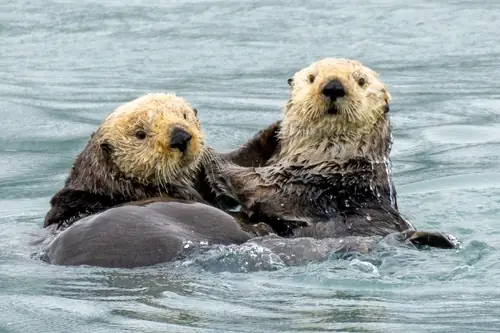
These marine mammals float on their backs using rock anvils to crack open sea urchins and abalone shells while forming protective rafts of up to 100 individuals linked by holding hands demonstrating complex tool use problem-solving behaviors. Photo: Alyssa Golden.
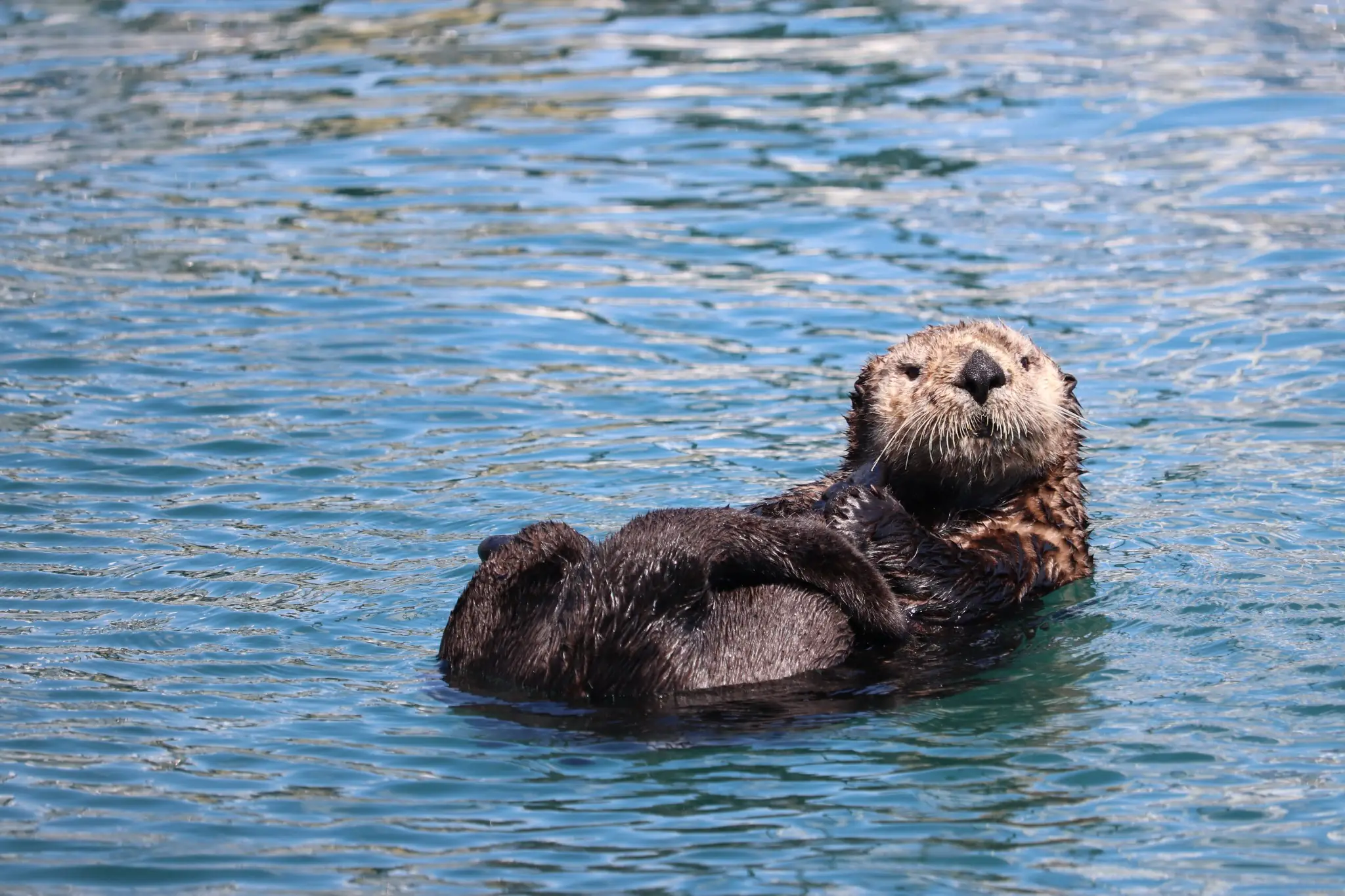
"Sea otters possess individual tool preferences, with some fashioning specialized hammering techniques and carrying favorite rocks in armpit pouches for weeks—demonstrating personal attachment and tool modification behaviors rivaling early human innovation."
— Dr. Jessica Fujii, Marine Mammal Tool Use Research
Dense Fur Insulation System
1 Million Follicles Per Square Inch Engineering
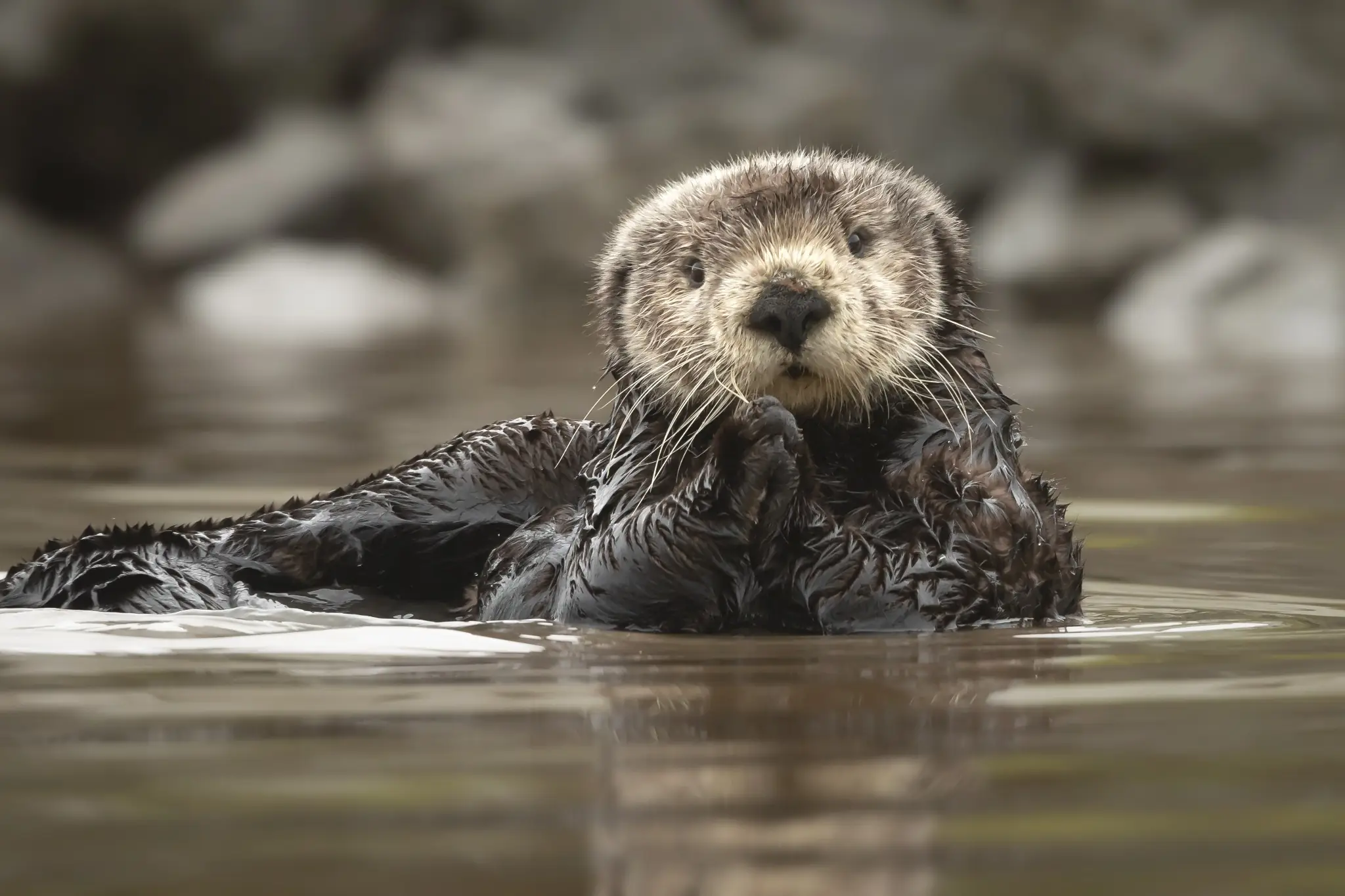
Dense fur contains 1 million hair follicles per square inch creating air-trapping insulation layers. Two hair types include guard hairs and underfur working together to maintain 37°C body temperature in frigid water.
This thermal regulation system replaces blubber found in other marine mammals. Constant grooming behaviors maintain air bubbles within fur layers preventing water from reaching skin enabling survival in 1°C water temperatures through thermoregulation. Photo: Erin Underwood.
Sophisticated Tool Manipulation
Rock Anvil Techniques and Tool Storage Systems
Tool manipulation involves selecting appropriate rocks, positioning them on chest surfaces, and delivering precise strikes to crack hard-shelled prey. Individual otters demonstrate tool preferences carrying favorite rocks in specialized armpit pouches.
Research reveals left-handed and right-handed tool use preferences among individual otters. Complex hammering techniques vary between populations with some using multiple tools simultaneously while others develop rock-shaping behaviors ranking among the most advanced tool users in marine mammals. Photo: Manuel Balesteri.
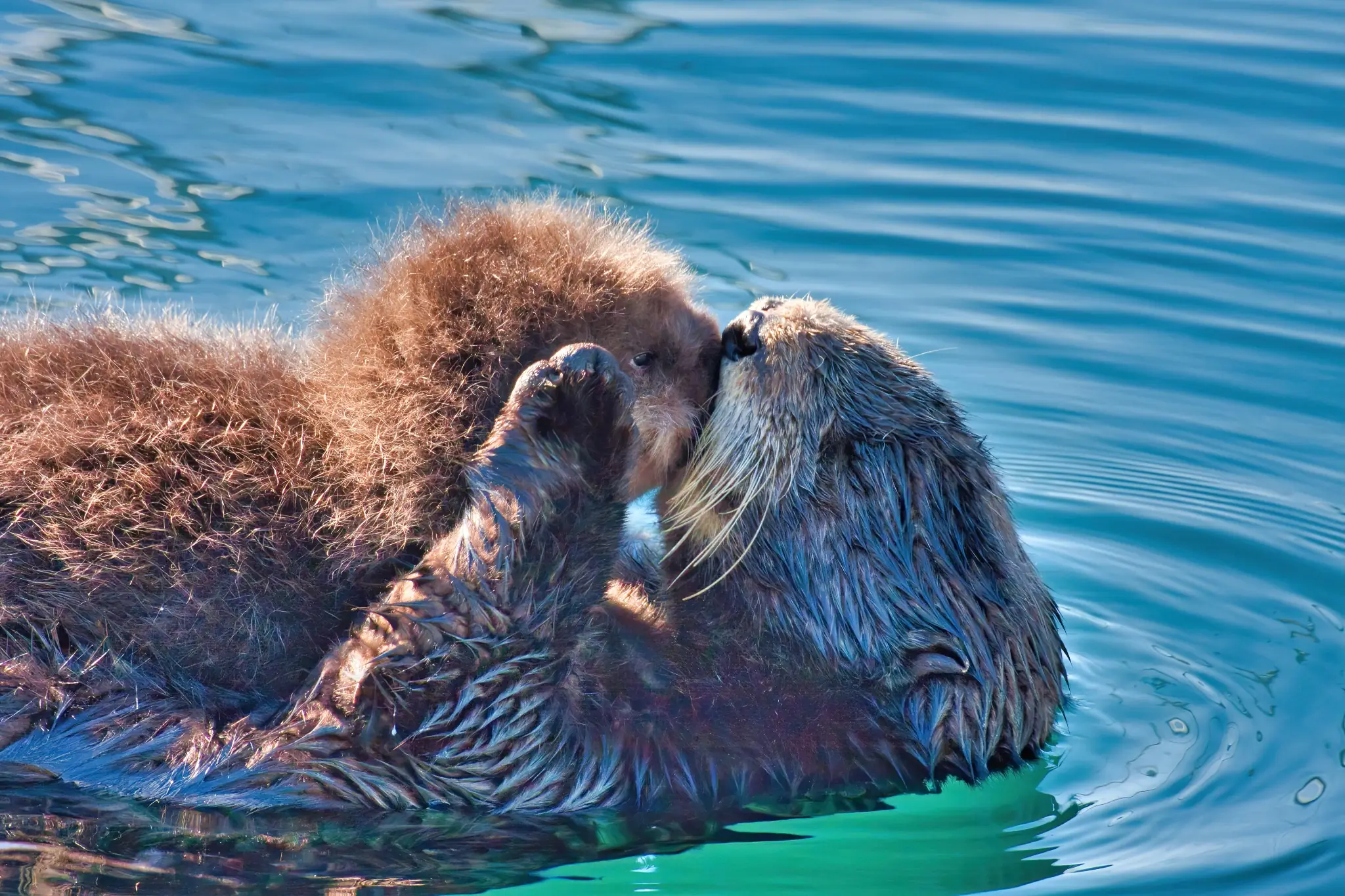
"Individual sea otters consume up to 1,500 sea urchins annually—each otter removes pressure equivalent to hundreds of urchins per kelp forest square meter, allowing kelp recovery and ecosystem restoration."
— Dr. James Estes, Keystone Species Ecology
Keystone Species Ecosystem Management
Kelp Forest Conservation Through Predation Control
Sea otters consume 1,000-1,500 sea urchins annually per individual controlling herbivore populations that otherwise devastate kelp forests. This keystone species effect creates disproportionate ecosystem influence relative to population size.
Kelp forest recovery following sea otter reintroduction increases biodiversity and blue carbon sequestration by 4.4 tons per hectare annually in optimal conditions. This coastal vegetation stores atmospheric carbon dioxide in marine sediments at rates exceeding terrestrial forests. Photo: Neil Aronson.
Complex Social Learning
Cultural Transmission and Maternal Education Systems
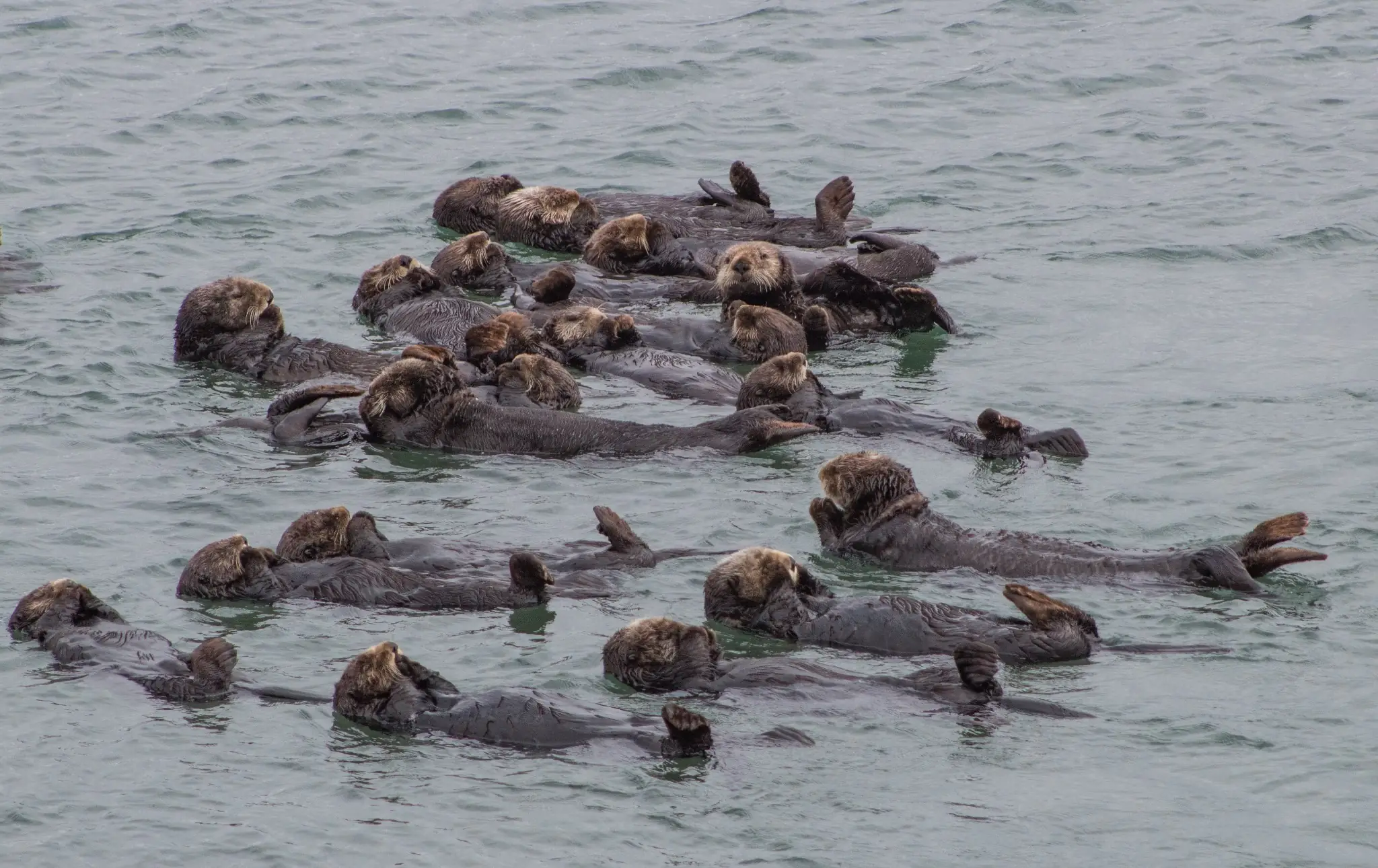
Mothers teach tool use techniques, grooming behaviors, and foraging strategies through 6-8 month learning periods. Young otters learn diving skills, prey recognition, and social behaviors through observation and practice sessions.
Regional variations in tool use demonstrate cultural transmission across generations. Monterey Bay otters specialize in abalone-cracking techniques using flat rocks while Alaska populations focus on sea urchin-hammering with rounded stones demonstrating cultural evolution through learned behavior transmission creating distinct regional traditions. Photo: MichalKrata.
Conservation Recovery Success
From 2,000 Survivors to 130,000 Population Recovery
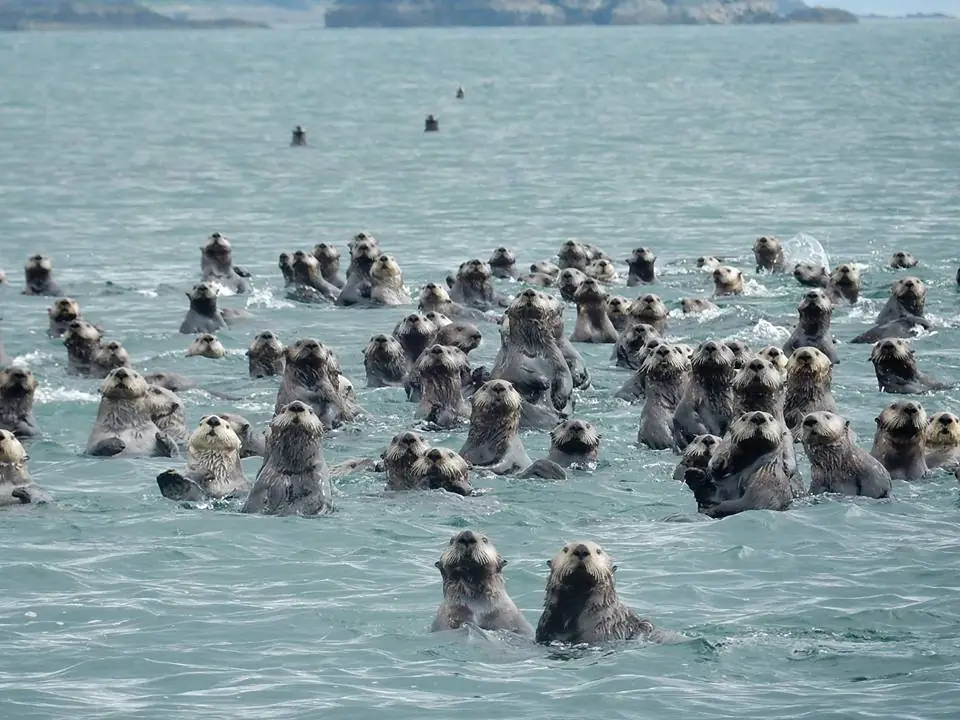
Historic fur trade reduced populations from 300,000 to fewer than 2,000 individuals by 1911. Marine Mammal Protection Act of 1972 and reintroduction programs enabled population recovery to approximately 106,000 individuals worldwide as of 2023.
California populations increased from 50 survivors in 1977 to over 3,000 individuals through protection and habitat restoration. Alaska populations remain stable at approximately 63,000 individuals. Recent expansions into Oregon and Washington demonstrate successful ecosystem recovery through keystone species protection strategies.Photo: NOAA.
Science & Discovery
University of California 2023 kelp forest research quantified sea otter ecosystem services at $2 billion annually through blue carbon sequestration of 4.4 tons per hectare exceeding terrestrial forest rates inspiring coastal climate protection strategies.
Stanford University 2024 cognition studies revealed individual tool preferences and handedness in sea otters demonstrating cultural transmission of techniques across generations informing marine mammal intelligence research and conservation behavior management programs.
NOAA 2023 population recovery analysis documented significant biodiversity increases in kelp forests following sea otter reintroduction demonstrating measurable keystone species effects validating ecosystem-based conservation management approaches for marine protected area design.
In our delightful oceans, sea otters enable significant biodiversity recovery and 4.4 tons blue carbon sequestration per hectare annually through keystone predation. Their tool use demonstrates cultural transmission with individual rock preferences carried in armpit pouches. Recovery from 2,000 to 106,000 individuals proves ecosystem restoration success.